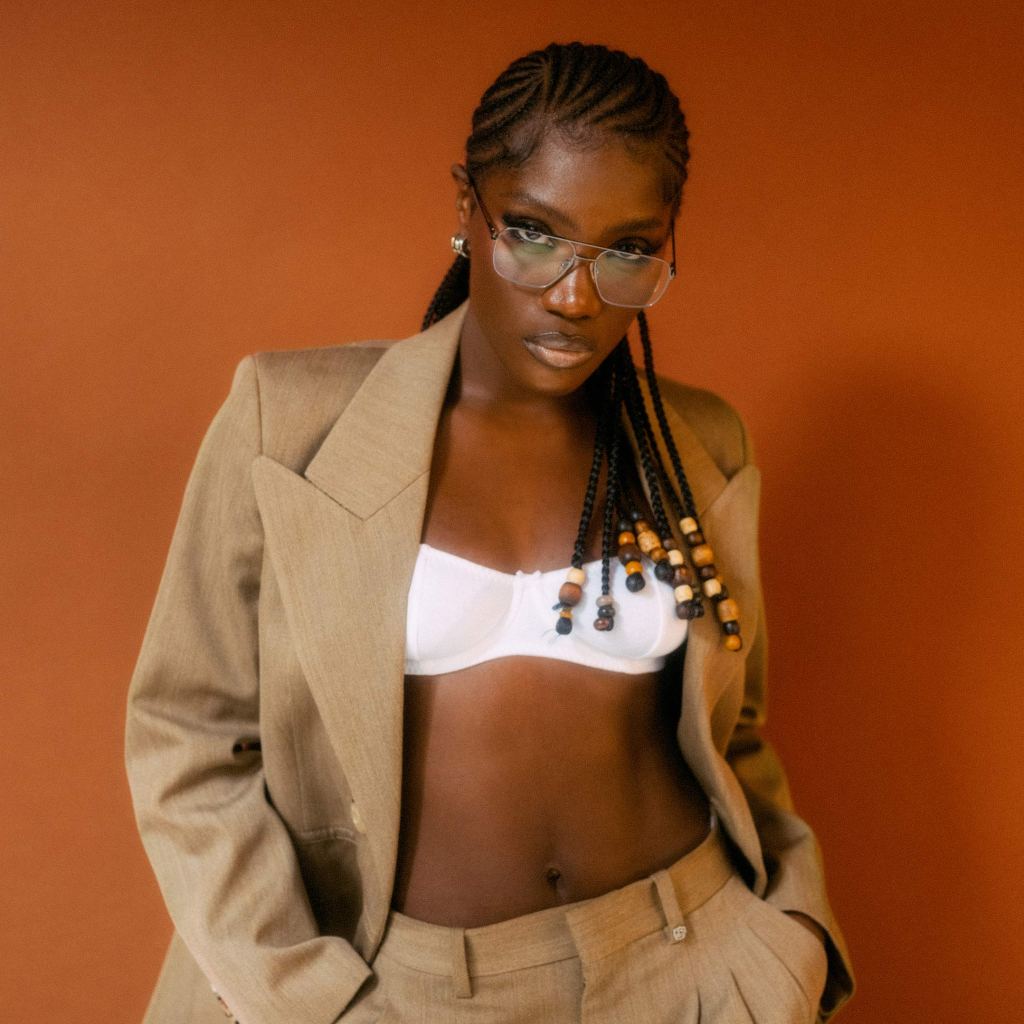
Throughout history, public opinion regarding pop culture figures highlight the sensibilities of that time period. Upcoming artists in 2025 are no stranger to this phenomenon. Musical artist, Doechii, has been the talk of the town since her breakout success in 2024. Late last year, her mixtape, Alligator Bites Never Heal, gained a great amount of acclaim. However, there’s been a swift, distinguishable shift regarding her celebrity. She is repeatedly referred to as an “industry plant” to discredit her artistry and commercial appeal. Her song, “Anxiety” (released this year) furthered the hate train after many listeners grew tired of its popularity and were unimpressed with its quality. While no artist is above critique, I can’t help but notice the unabashed delight the majority are taking in becoming detractors. Social and political tensions are reaching a fever pitch across the country. The mere mention of women, queer people, black people, or any minority in popular media is enough to send some into a tizzy. The rise of conservatism has empowered a once silent demographic to now air out their grievances against woke people and their “agenda”. Doechii, a dark skin, Bi-sexual Black woman, is an easy target to direct their ire. Through her and other famous Black women’s (falsely) perceived notoriety, we’re witnessing the pendulum swing in real time.
The masses typically use the term “industry plant” as a pejorative to validate the irritation of a particular celebrity’s supposed overexposure. They invalidate the work of such artists by claiming that there’s a conscious push from the entertainment industry rather than organic growth. As stated earlier, terms like ‘woke’ and the ‘woke agenda’ are dog whistles commonly used to identify people othered by white heteronormative society. Buzzwords like ‘DEI hire’ have also been added to the public lexicon to further discredit the legitimacy of women and POC’s (people of color) place in the workforce. It’s not a coincidence that the music industry’s first highly prominent, dark skin black woman in years has industry plant allegations. Doechii’s artistry and image centers around black womanhood and has clearly alienated the average hip-hop consumer. The contemporary parallels claiming black women are given “handouts” to fill a quota for diversity and her visibility causing great discomfort vividly illustrates an overlap in beliefs.
While many possess a genuine disdain for Black women, others only utilize this shared sentiment to garner an audience. By now, the average social media user can usually identify faceless trolls using baseless hate comments for attention (commonly referred to as rage bait). However, igniting the commonly shared antipathy for black women has founded the success of numerous internet personalities. Using any opportunity to publicly negate Doechii’s talent within the rise of the attention economy is a strategic business move. For some, it’s advantageous to take part in such a lucrative economic and social movement. Entire social media platforms have been created to feed the misogynoir of their carefully cultivated following. Black women already have a built in anti-fan base due to centuries of disparaging rhetoric against us. What kind of opportunist wouldn’t leverage a famous one for their own media presence?
In my essay, “The Importance of Building a (Black) Female Fanbase”, I discuss the significance of creating an audience who deeply relates to your triumphs and struggles. The shared consciousness of black women is essential in generating community and supporters. It’s no surprise that a woman like Doechii would be on the receiving end of such treatment from the outside. Long gone are the days when prejudiced people would commune amongst themselves during the Obama era. Now, they are emboldened to engage in cruelty against individuals belonging to marginalized communities. While black women celebrities are more privileged than the average black woman, the way one discusses certain matters is indicative of how they perceive us. Chances are if you’re adding to the public scrutiny, it’s representative of the already negative beliefs you hold about Black women.



Leave a Reply