The Perils of American Fatphobia
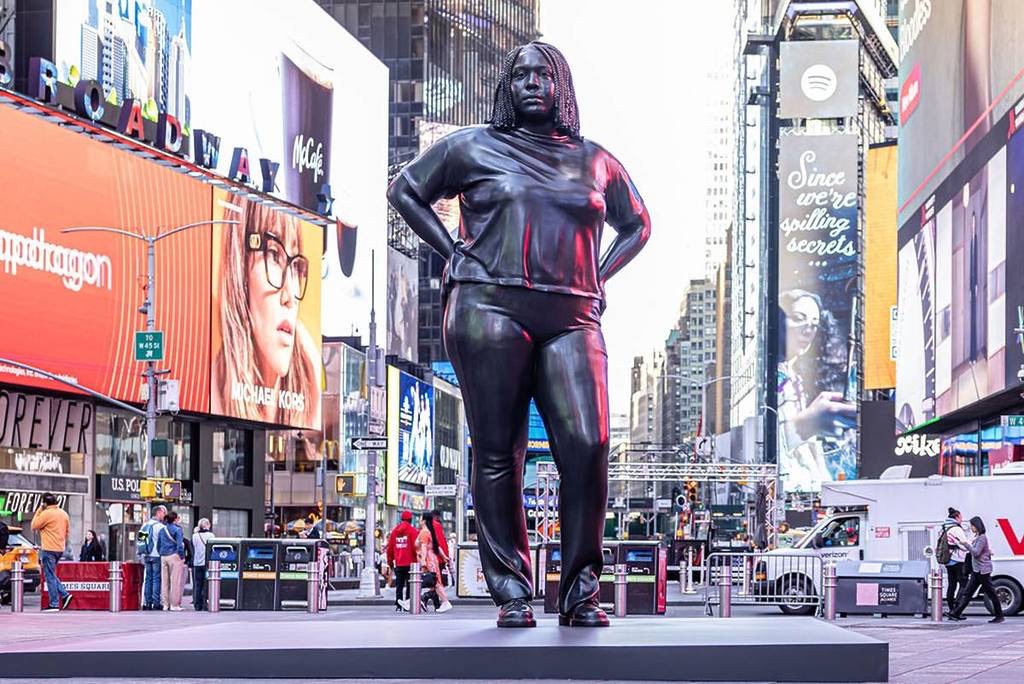
Existing as a plus size woman has been a burdensome, complex, and eye opening experience. Since tweenhood, the relationship I’ve had with my body has been one of strife and resentment. Growing up and watching every woman in my life sustain an obsessive, around the clock surveillance of their own figures, as well as each other’s, seemed debilitating, yet necessary. Naturally, I’ve adopted this tendency as well. The perceived failure of becoming too big and thus undesirable, especially if you were once considered petite, is something that deeply impacts the psyche of (almost) every woman. I’ve only been relieved from the clutches of this endless monitoring twice in my life: as an upperclassman in high school and after graduating college. In my junior year of high school, I had successfully escaped the covert, yet destructive comments made by family members and friends regarding a body still under construction. Gaining weight my first year of college and watching the lifeline to desirability slip away was unsurprisingly devastating. Every year following, I was chasing that same feeling of respite. Then, after finishing college and being too impoverished to afford three meals a day, I dropped a significant amount of weight. If I’m honest with myself, my biggest regret during this time period was not enough people seeing me at my smallest adult weight. If many of us were more candid, we would go through our own specific anguish (a break up, stress from a job, stomach bug etc) that once allowed us to attain thinness. Tik Tok comments half jokingly inquiring the possibility of weight loss from a new parasitic outbreak, cyclosporiasis, illustrates our desperation to achieve skinniness. Being the only friend overlooked by possible male prospects on a girls night out, crying while trying on clothes in the fitting room, doctors not taking your ailments seriously, family members monitoring your food consumption, and the dread of having your picture taken (bonus points if it’s next to thinner people) are all popular hallmarks of the plus size experience.
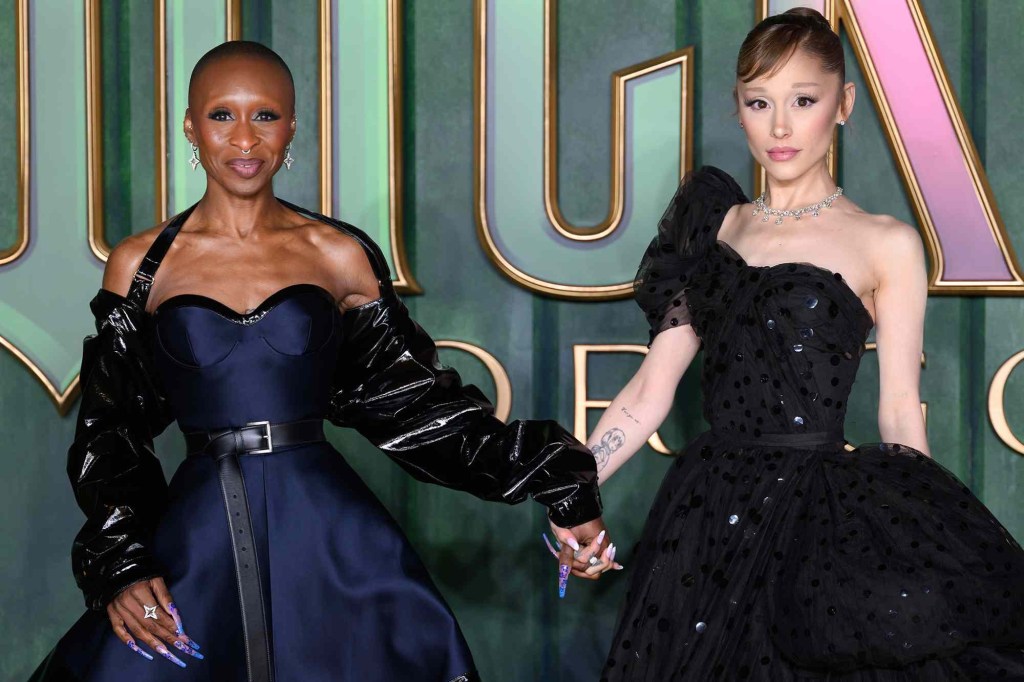
When pictures from The Eternal Sunshine Tour first circulated, I was already made aware of the growing discourse and concern. However, in the spirit of honesty of this post, I had trouble identifying the problem at first glance. I feel deep shame after further investigation. As someone who considers themselves introspective, analytical, and prides themself on their feminist viewpoints, how could I fall for skinny propaganda again? I’m not immune to the social programming of praise for thinner bodies, and it was made all the more clear in that moment. While there is widespread condemnation aimed at those championing these problematic beauty ideals, we should attack the root of the problem instead of specific individuals. American fatphobia has always existed, but the body positivity movement gave us a brief, fleeting glimmer of hope for more universal acceptance. Unfortunately, fatphobia came back with a vengeance this decade through the push of GLP1’s, the rise of conservatism, and a newfound nostalgia for early 2000s fashion, bodies included. We all know the look that was praised in the 2000s: thigh gaps, a low body fat percentage, and little to no curves. These ideals are the complete antithesis to the beauty standard in the mid to late 2010s: thick thighs, curvy body, and a big butt. However, images of women who are currently considered beautiful spread faster and further than the images of conventionally attractive women in the 2000s. There have been thousands of articles written discussing the ways social media ruined women’s self esteem, but combining poor self image, instant gratification, and around the clock body checking is a completely new phenomenon. Ariana Grande’s social media exemplifies the era we find ourselves in. Women’s around the clock self surveillance is on display relentlessly. The now infamous guitar case picture found on Grande’s Instagram truly illustrate the ways in which women, especially public figures, feel pressure to perform a certain fragility. This is not me shaming her or women in general. I won’t pretend that I’ve never been seduced by the possibility of receiving positive attention through posting on Instagram. My most prominent fear, however, is the speed in which the beauty industry expects women in the public eye to conform. We are watching women transform practically overnight to fit this new standard. Normal, everyday humans share explore pages and countless internet spaces with celebrities now. We’ve begun to compare ourselves to individuals with an almost unlimited amount of resources. And with everyone accustomed to immediate gratification, what lengths are common folks willing to go to quickly achieve this stark pivot in celebrated body types?
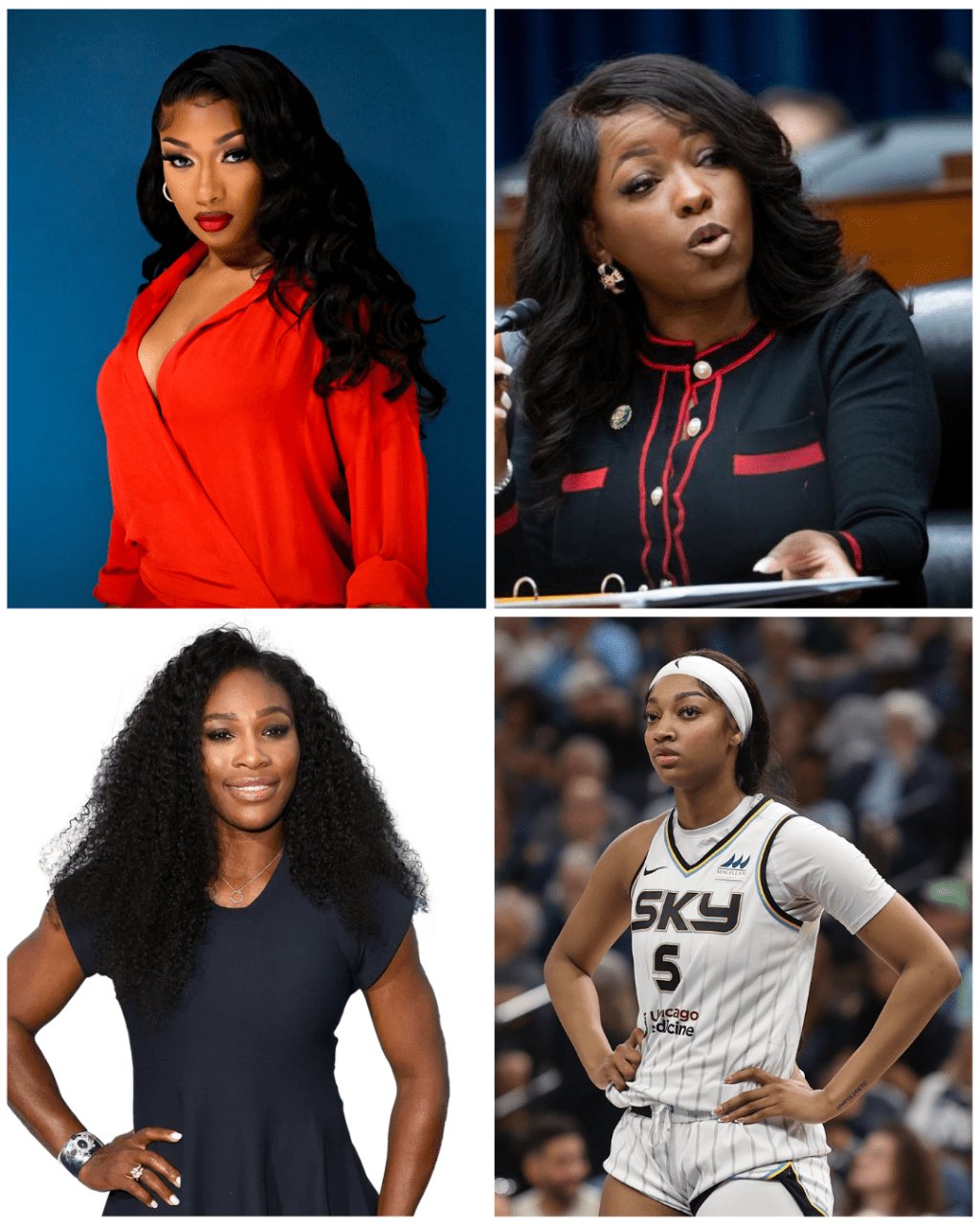
The Black community has been known to have a different set of beauty standards apart from white America. Some women who would be considered fat or plus size to other groups are still viewed as desirable in Black spaces. However, the terms of this desirability come with many conditions and are still somewhat palatable to white sensibilities: little to no stomach fat, large breasts, an hourglass shape, and a slender face. To my surprise though, many Black female influencers are abandoning and denouncing their “thick baddie” appearance, and adopting a more slender frame in the name of health. These same models who proudly sported their thicker bodies a decade ago are now condemning the black community for finding it attractive or aspirational to begin with. While I think it’s cruel to pigeonhole women to a certain expectation aesthetically for the rest of their life, I must acknowledge the possible influence from this “coke skinny” renaissance. Plus size models across social media are lamenting about losing opportunities due to brands slowly stamping out their plus size section. I’m aware that eating healthier and working out are linked to weight loss and mental clarity, but the “glow up” industry that’s deeply embedded in gym and diet culture puts an emphasis on looks, not one’s physical or mental health. Slim, above anything else, equals success. Every summer (even during the 2010’s slim thick era), women have made a show of preparing for summer by tirelessly exercising or tracking calories to tone down before having to show excess skin, and God forbid that that skin is fat. Now, with skinny back in style, many women are choosing to adapt to the new landscape instead of questioning it. The margins between black and white women’s desirability are also becoming wider again and some of us are choosing to assimilate in order to be closer to this budding beauty hierarchy. Adolescents and young adults are at the mercy of judgments from people in close proximity (shaped by the same media landscape), as well as our newfound insecurities being validated by hundreds of posts per day. We are in completely new territory than generations before us due to a heightened awareness of our physical attributes, formed by our digital panopticon.
My inability to immediately recognize the issue with Ariana Grande’s newest photos isn’t due to a lack of trying, but more so a testament to the West’s idea of aspirational beauty being peddled for centuries. Our interactions and the way we are treated in school, work, and other social settings are greatly influenced by how we look. All of this adds to our fear or shame of becoming or living as a fat woman. The singer/rapper Lizzo was hounded for simply existing in a bigger body. Many were uncomfortable with her high visibility, claiming that her media presence alone would promote obesity. I may be going out on a limb here, but I argue that no American woman wishes to be fat. From my own experience, as well as other women’s, weight gain occurs when we go through changes in life and is usually circumstantial: aging, hormonal shifts, stress, becoming a new mother, a poor relationship with food, a change in schedule, and more. So it’s disingenuous to claim that women might’ve become influenced to view fatness as aspirational, especially in an extremely fatphobic society. While we run from one monster, many of us leap into the arms of another. Ariana Grande, and many female celebrities like her, are most likely throwing themselves into the clutches of another beast. And no one in their immediate reach seems to be warning them of the dangers of having to choose this one.



Leave a Reply