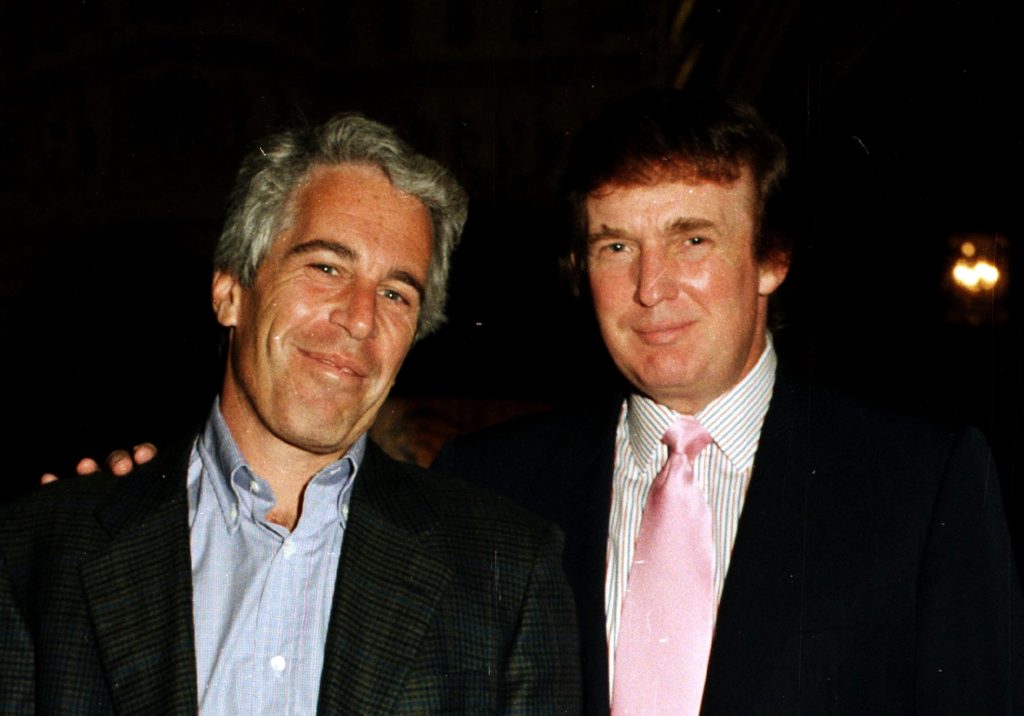
On January 30 2026, the Department of Justice released 3.5 million documents from the Epstein files. In them, uncovered multiple conspiracies that have been speculated for a number of years. For my own sanity (and yours, too), I won’t go into too much excruciating detail regarding its stomach churning content. Admittedly, it’s worse than anything my imagination could have conjured up. I was made privy of its release the first week of February. If the material within these files are true, an overwhelming percent of the elites and individuals that govern the general population are accomplices or active participants in these gruesome and cruel acts of depravity. It feels like my life has suddenly been cut into two parts: my life before and after the files. As I scrolled Tik Tok, many of my mutuals shared in the same horror that has flooded my entire body for the last week. Others feel vindicated, with their decades long theories possibly being confirmed. But as time marches on, a great number of people are searching for some sort of resolution or a punishment given to the individuals present in the files. Nevertheless, the social landscape has been eerily quiet. There’s been no word of any retribution as a result of these atrocities, at least not in America.
As we know, the public always desires someone to answer for their (alleged) crimes, especially ones this heinous. What stands out the most, however, is the unabashed indifference from the elites regarding these claims. This callousness has caused ordinary civilians to direct their ire on each other, particularly on social media. The outrage cycle is pretty consistent; An incident occurs, the public discusses and dissects it ad nauseum, we find something or someone to blame for a particular discretion, another group of people disagree with this claim and argue that someone or something else is to blame, there’s a brutal back and forth, lives are forever changed and ruined, we forget about it in two weeks, and repeat. But offline, these conversations are probably seldom taking place, if at all. And I see this happening with the Epstein files. The online left has been very vocal about their disgust with the contents of the files, and rightfully so. However, the urge to point fingers at other regular citizens for not taking immediate action against the aristocracy isn’t helpful, either. We’re still at the mercy of the wealthy elites. They still decide every aspect of our lives. And once the outrage cycle begins, it’s almost impossible to engage in any meaningful dialogue. Communication on social media (heated debates and snarky one liners incentivized by virality) isn’t conducive to the structures needed for community organizing. The constant infighting between popular leftist and progressive figures on social media makes it impossible to form any sort of unity. And ironically, as ubiquitous as social media has become, there is still a degree of detachment from these platforms and our real lives. Once we finally put our phones away or decide to take a well needed detox from it, our lives on these apps cease to exist.
I want to make it clear that I’m not scolding anyone that still finds the leftists and progressive spaces on social media engaging or informative. The information afforded to me by well-educated scholars that I wouldn’t have access to otherwise has been invaluable. But how much can we truly gain from these apps that are still governed by the very corrupt individuals we spend so much time critiquing and loathing? An event this damning and of this magnitude should be cause for mass planning towards a movement, reform, or retribution. We have access to the groundwork multiple activists decades before us utilized in order to create coalitions and organizations. However, most plans created on social media aren’t geared for long term change, referring back to the outrage cycle. Additionally, social media takes advantage of our growing need for instant gratification. I won’t lecture you about that because I’m sure we’re all aware of the dopamine crisis caused by our technological driven world. I’ve fallen victim to it for the last decade of my life. The movements I alluded to earlier took years of planning and dedication in order to see success, from a multitude of different organizations and coalitions all working towards the same goals. It was not an overnight success and it’s a continuous battle. It didn’t instantaneously happen after a couple run-ins with virality. Additionally, the dilemma with creating any meaningful social change on these platforms is that the very inner workings of them are diametrically opposed to the concept of unity. This country has always been divided. Our own unspoken caste system has been at the forefront of the American public’s mind since its creation, so social media isn’t solely to blame. However, it has magnified these lines of division drastically, with any minute difference in views greatly exaggerated for content and clickbait. In real life, conversations between two parties with slightly differing opinions are not usually as contentious as they are on social media. In regards to Tik Tok leftists, the time and energy spent on admittedly frivolous details instead of focusing on a specific shared goal can grow increasingly tiresome. At best, the time spent arguing is unproductive, and at worst, harmful and catastrophic to one’s mental health and sense of self. I have no issue with public figures being challenged on some of their views, but these debates are rarely ever in good faith. We utilize the same punitive measures demonstrated by the carceral system that we love to critique. Instead of being called in, the subject is publicly shamed and then made to feel isolated. Many hope to discard them for their discretions the same way the justice system discards incarcerated individuals. No good can emerge from platforms actively aligning themselves with these destructive social agreements, even if you do use the app to educate others on more progressive politics.
It’s not surprising that a great deal of people have also dissociated after reading the disturbing content in the Epstein files. Digesting information this unsettling, especially this amount all at once, could cause the most high stress equipped brains to detach in order to self regulate. However, most people are throwing their hands up, exclaiming: “What can we do about it? Nothing is going to change anyway.” While the task of changing a corrupt society is daunting, it is not impossible. Oppressed groups have already given us the groundwork to be able to imagine true liberation. The depravity in the files are similar to what enslaved and indigenous people specifically went through on American soil centuries ago. We aren’t the first group of people in American history to be made aware of such atrocities happening at the hands of our oppressors. But again, social media’s preys on our reliance for instant gratification, making any planning seem unattainable if success isn’t instantaneous. Oppressed groups of the past took decades meticulously creating strategies to liberate themselves. Watered down American history has been sold to the American people. We hear revisionist stories about these movements, claiming victories were won through peaceful protests and progressive laws passed by the benevolence of people in power. In reality, enslaved people fought for their own freedom during the Civil War. Black people during the civil rights movement weren’t just protesting peacefully and singing negro spirituals about one day gaining freedom while being lead by the pacifist, Martin Luther King Jr. Martin Luther King Jr. himself had many politics that alarmed and angered the general public at the time, particularly his anti-capitalist views. He also had more help from ordinary citizens than the American public usually admits, in an attempt to deify him and actions. These pacified retellings of American History discourage us from actualizing the work necessary in gaining freedom. Quiet as kept, the American people actually took our freedom and rights back many times, we were not simply given it.
I am deeply impassioned by this because I know the American people once had the grit, discipline, community, and skill necessary for demanding change. I am not here to blame or demean anyone. I, too, am not above entertaining distractions drenched in salaciousness. I bear no right to be self righteous, but I do want to live in a just country. I deeply desire a world that can be safely inhabited by our descendants. In order for that to be accomplished, we must come together using the tools our ancestors gave us to build. During the civil rights movement, a more contemporary movement, depriving companies of monetary gain aided in their fight for freedom. It seems that the wealthy elites value money and status more than the lives of the regular working class. Opting out of spending and greatly reducing their earnings would reawaken the power we have as a people. During these next couple of months, I plan to research and read about the many times the American people fought for their freedoms, implementing their methods to spark the flame of organizing. The CEOs that inflicted unimaginable cruelty on the girls in the files cannot walk away unscathed. We must come together so we can collectively chip away at the corruption of the system little by little until our world is smooth and cleansed from it. Currently, I’m looking at the different business owners within the files to figure out which conglomerate they oversee and begin a long term strike. Maybe depriving them of the thing they love most, money, would help them empathize with what they’ve deprived us of: true liberation. All I ask of you is to take the same passion you present online and manifest that into the physical. Social media gave us access to communities that we wouldn’t possess decades before. Use the methods of organizers from the last century and combine it with the widespread outreach we have available today. We still can accomplish freedom for our nation if we merge the dreams and imagination of the oppressed from the past and present.





 21st Century Black Woman
Leave a comment