Back in 2019, I ran across a polarizing video involving a Black man and woman discussing her dating options. The man, who I initially assumed was a dating coach from his business attire, asked her what she graded herself on a scale of attractiveness. She replied that she was a “10”. At that, the man squeezed out a hearty laugh at her expense. I shrugged this encounter off as another poorly concealed attempt to garner virality. While Black women were the butt of the joke in some social media spaces, the current landscape didn’t normally reward this sort of disrespect. However, the following months would prove me wrong. Amongst numerous Black internet spaces, romantically dejected Black men clung to this same man’s every word. This same figure would be the topic of heated debates for the next couple of years. I unknowingly stumbled upon the rise of Kevin Samuels.
His specific formula of producing content would snowball throughout social media. Many men eagerly awaited their chance to humble Black women who they deemed too self assured in their appearance, financial status, and professional accomplishments. Almost overnight, it seemed as if Black women across social media had to fight against a sea of agitators. In 2025, the foundation Kevin Samuels laid for Black male incels is still prevalent. I’d argue it’s currently synonymous with Black internet culture.
For many years, the idea that Black women possessed higher self esteem than our white counterparts was widely accepted. Comparatively, the perimeters of white European beauty standards admittedly seem more rigid. While I’m not disputing the self assuredness of many Black women, we are also historically underrepresented in many data analyses surrounding our unique experience. How can we know for sure that Black women have an inherent confidence while positioned at the opposite spectrum of idealized desirability? White women will always find themselves closer to the Western world’s idea of beauty than the average Black woman. How have we concluded that Black women have uncovered this magic key to unbreakable confidence? Could it be that our unheard grievances aided in a faux exterior of certainty? Nonetheless, the repeated attempts to shatter any self-assuredness in spite of white beauty standards is alarming. To push through the constant promotion of white desirability and still (presumably) maintain any self possession should be considered a victory. However, hierarchies are often reinforced through unspoken social understandings. In order to maintain Black women’s (low) positioning within desirability, many individuals are unconsciously incentivized to aid in our degradation. 2019, as I remember it, was a time of Black women inching closer to shared success and social consciousness. Many of us were making strides in unpacking the self-hatred learned from those before us. It must be a societal obligation that a figure such as Kevin Samuels would come and restore the balance of social hierarchy once more.
The desire to humble Black women is far from a new phenomenon. The complaints spewed regarding our standards have failed to evolve, with these same gripes spanning decades. Now, women currently hold the most access to our own monetary independence and bodily autonomy in American history. It’s no surprise that it’s contributed to great discomfort within the dating pool. Within the Black community, this reclamation of autonomy is unprecedented. A repeated narrative surrounding Black women is our attachment towards our educational and occupational success. “Your degree won’t keep you warm at night” is a common sentiment spouted at decorated, single Black women. I don’t subscribe to the idea that individuals within the same social class should only partner with each other, but I’m aware of the great difficulty it takes to maintain such a relationship. As the educational margin between Black women and men gradually widens and women aren’t as opposed to singlehood, the tension within our intraracial dating pool grows as well. Dating is often centered around commonly shared interests, goals, and accomplishments. Occupying the same social settings (i.e. jobs, institutions, universities, etc) is the catalyst for most blooming relationships. Oftentimes, we expect Black women to completely forgo these normalities when searching for romantic partnership. Men routinely perceive our attainments as obstructions to intimacy. Thus, these impending (and predictable) relationship failures are faulted on another overly confident Black woman.
Social media has given Black women the chance to speak candidly about our hardships associated with Black womanhood. Past social activists have always explored our oppression, but technology has facilitated widespread discussions across all walks of life. We are given the opportunity to document micro and macroaggressions experienced in the work place, familial and platonic dynamics, and romantic pursuits while they are happening in real time. Years before, information would take days to weeks to reach the masses. Now, the general public is forced to recognize our shared plight in an instant. In the past, those who didn’t live through our unique experience had the chance to ignore our gripes. There is a clear discomfort from those who have added to our subjugation. Many would rather choose to validate their ill treatment towards Black women, than do the work to rectify it. And we’re seeing that unfold in the current social landscape. This shared discomfort disguised as content has given way to a new form of entertainment. Instead of suffering in silence, many Black women continue to combat these platforms’ ignorant notions about Black women. Long gone are the days when women have to endure extreme hardship in order to maintain stability. Nor are we obligated to keep the peace the way women generations before had to. We are now more inclined and comfortable to speak against reductive stereotypes and rhetoric. Society’s shared understanding of women’s submission imagines us to withstand the poor treatment and blindly adhere to already set expectations. Our increasing outspoken nature against our harm is considered insubordination to many. And a subversion of our collective perception of palatable Black womanhood.
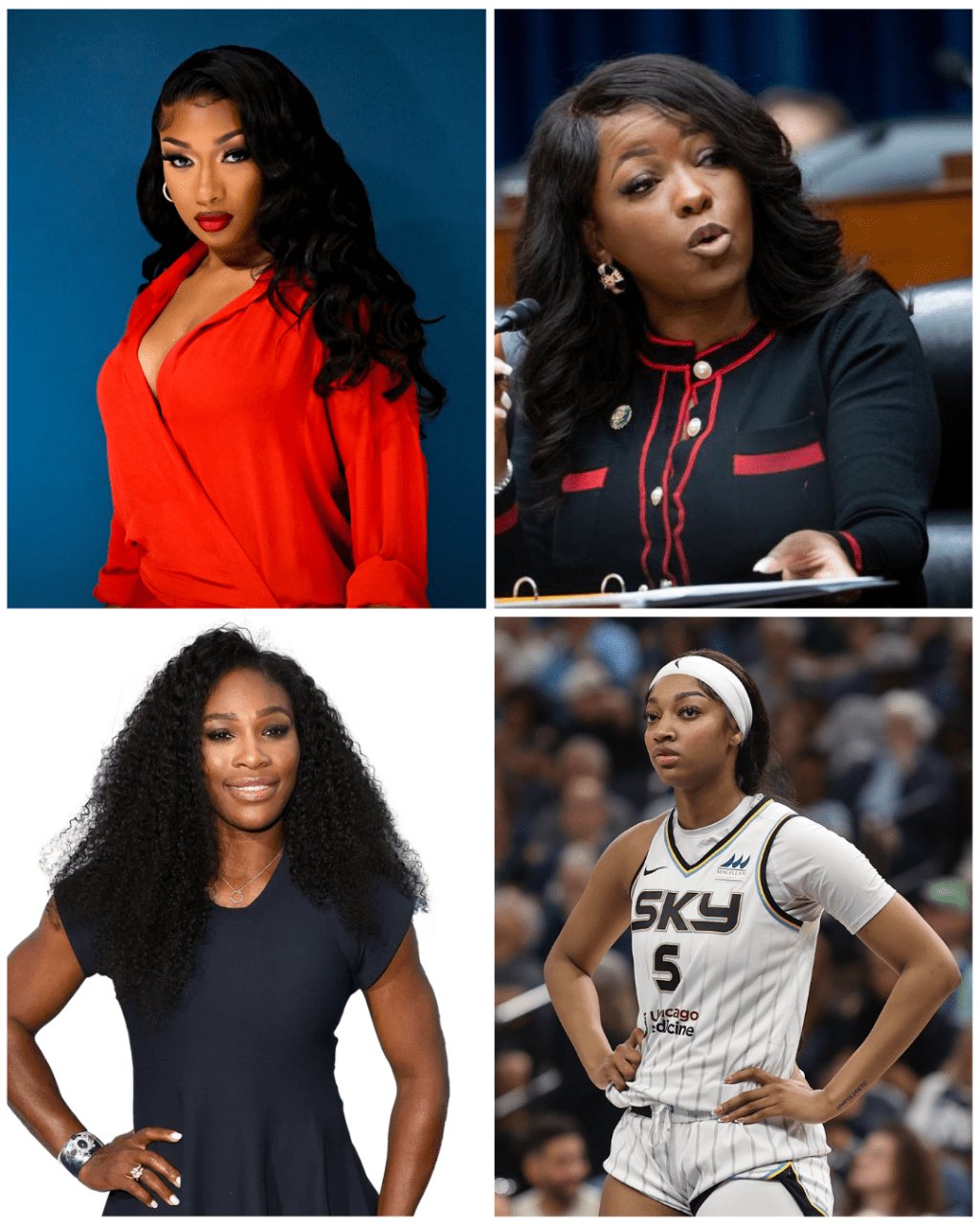
In a time period where our basic rights are progressively more compromised every day, it’s not shocking Black women are bearing the brunt of it. Historically, we have always fought for our right to exist. However, there is a specific way oppressive forces utilize psychology and socialization to wear us down. If our achievements and appearances are constantly minimized, scrutinized even, there is a higher chance of achieving domination of the mind. The obstacles in our way are more apparent than ever in recent years. What if the unwavering confidence, over achievements, and monetary obtainments are not the makings of someone “overly confident”? What if they are just requirements to exist in a landscape hellbent on seeing your demise? Self-assuredness is a necessity of surviving Black womanhood.

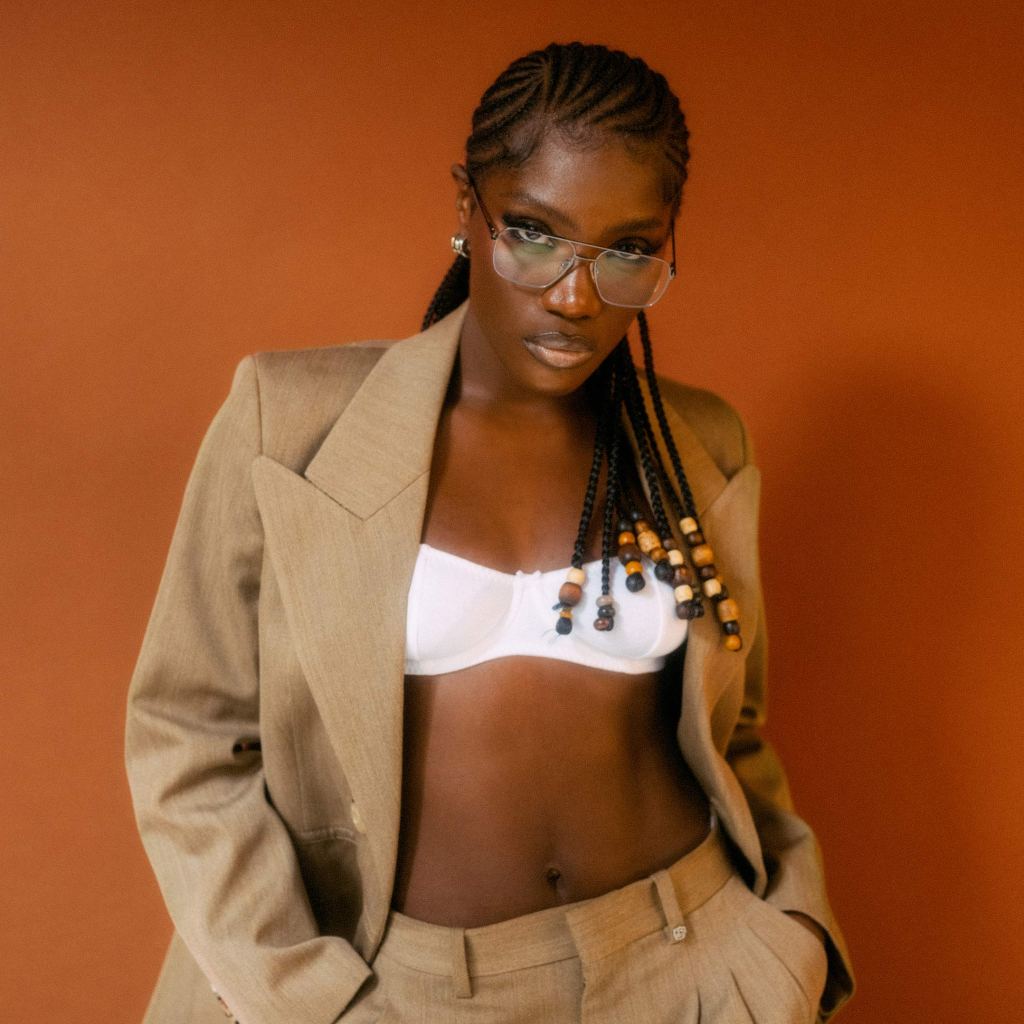

 21st Century Black Woman
Leave a comment