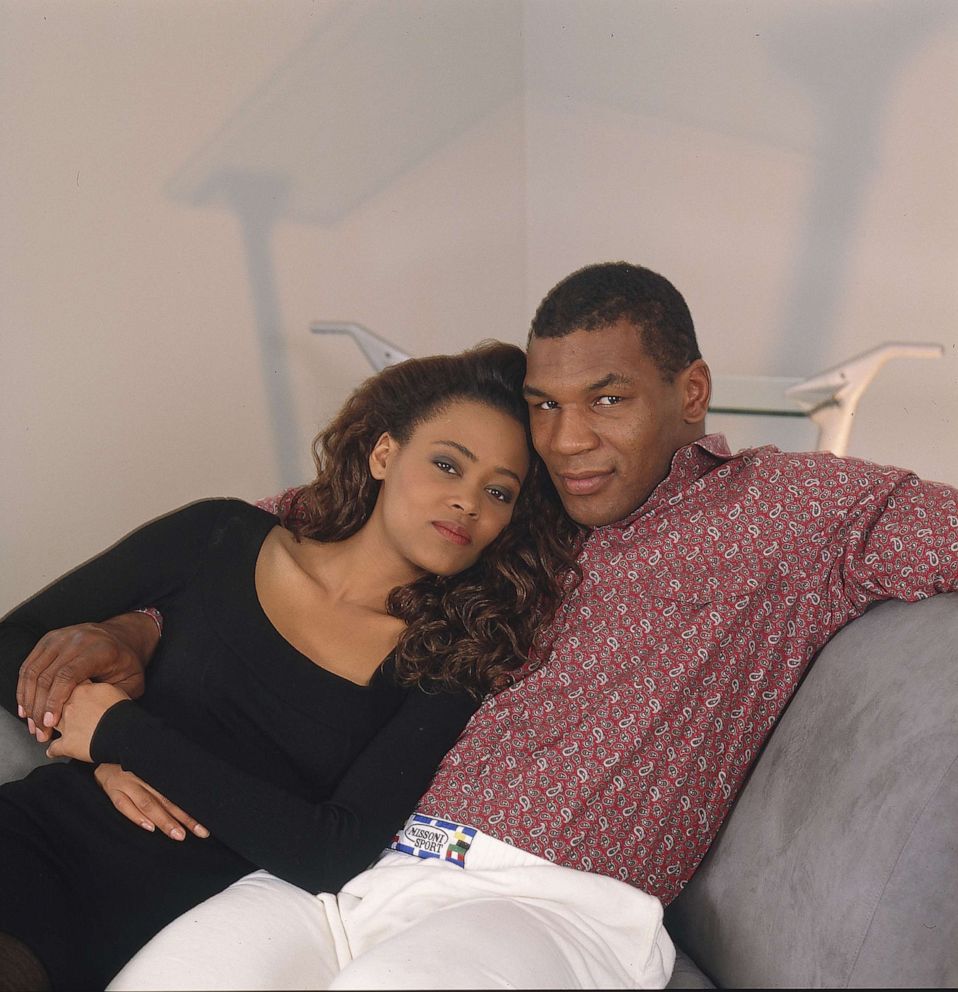
A couple weeks ago, I watched Kimberly Nicole Foster’s video reflecting on how the caricature of the “gold digger” slowly morphed from white to black women. Foster connects this to the intense scrutiny Robin Givens’ received while enduring an abusive relationship with Mike Tyson in the late 80’s. Oftentimes, it’s stated that Black women must encapsulate the “perfect victim” role in order to garner sympathy after a tumultuous relationship. Givens’ embodied the idealized image of upper class, traditional femininity normally pedestalized by polite society. One would think this carefully curated aesthetic and demeanor would insulate her from the public’s ire.
However, that same aesthetic only added to the suspicion against her public recounts of abuse. She was branded the title of “gold digger” through speculation of her solely being after Tyson’s money. Ironically, a term that’s become increasingly more popular amongst black internet spaces is “90’s fine.” The saying praises the seemingly simplistic looks of the 1990’s while adhering to beauty standards that are still celebrated today. Many individuals find themselves pining over the “natural” and “feminine” women of yesteryear, but I wonder if that sentiment held true during that time period. Oddly enough, Givens is frequently added to the line up of black women celebrities celebrated for having “the look” in her heyday. But I wonder if it’s just nostalgia clouding our judgement, disdain for the current women of any era, or both.
In my 26 years of living, I recognize most tend to view the past through rose colored glasses. I wasn’t able to experience the 90’s in all of its glory, but I sometimes wonder about the commonly shared opinions society had of our aesthetics back then. After viewing countless older black media outlets, I concluded not much in that regard has changed. Insisting that everyone adored the beauty trends associated with 90’s black women is a clear case of revisionism. Digesting the TV shows, magazines, and other content of that era has painted a clear picture of the black community’s long running feelings (moreso grievances) towards black women. Our nails, hair, clothes, make up techniques and body types were always under inspection. Aesthetics too closely associated with black women were deemed “trashy” and unprofessional, similar to today’s standards. Even rather tame or “classy” appearances were under high surveillance, with our community daring the subject to stray from perfection just an inch. But similar to the video I referenced earlier, perceived perfection was also grounds for dissection.
Robin Givens was titled “The Most Hated Woman in Black America” after shedding light on the domestic abuse she suffered at the hands of Mike Tyson. Today, we repeatedly hear rhetoric insinuating that suggestive women are to blame for their own sexual and physical abuse. Nevertheless, a woman as seemingly put together as Givens still became a victim of the public’s continuous disregard for black women. The glamour associated with Given’s image only further pushed the narrative of the cunning, distrustful woman. While western society is accustomed to white women drenched in traditional glamour, the black female body adds a deviance to it. Foster says the added effort put into Givens’ appearance made some believe her to be a seductress with malicious intention. The masses beg for the modest and classy looks associated with the 90’s, but what protection has that afforded us? Not only is the goal post for beauty constantly shifting, but achieving it can add to the harm endured by the public.
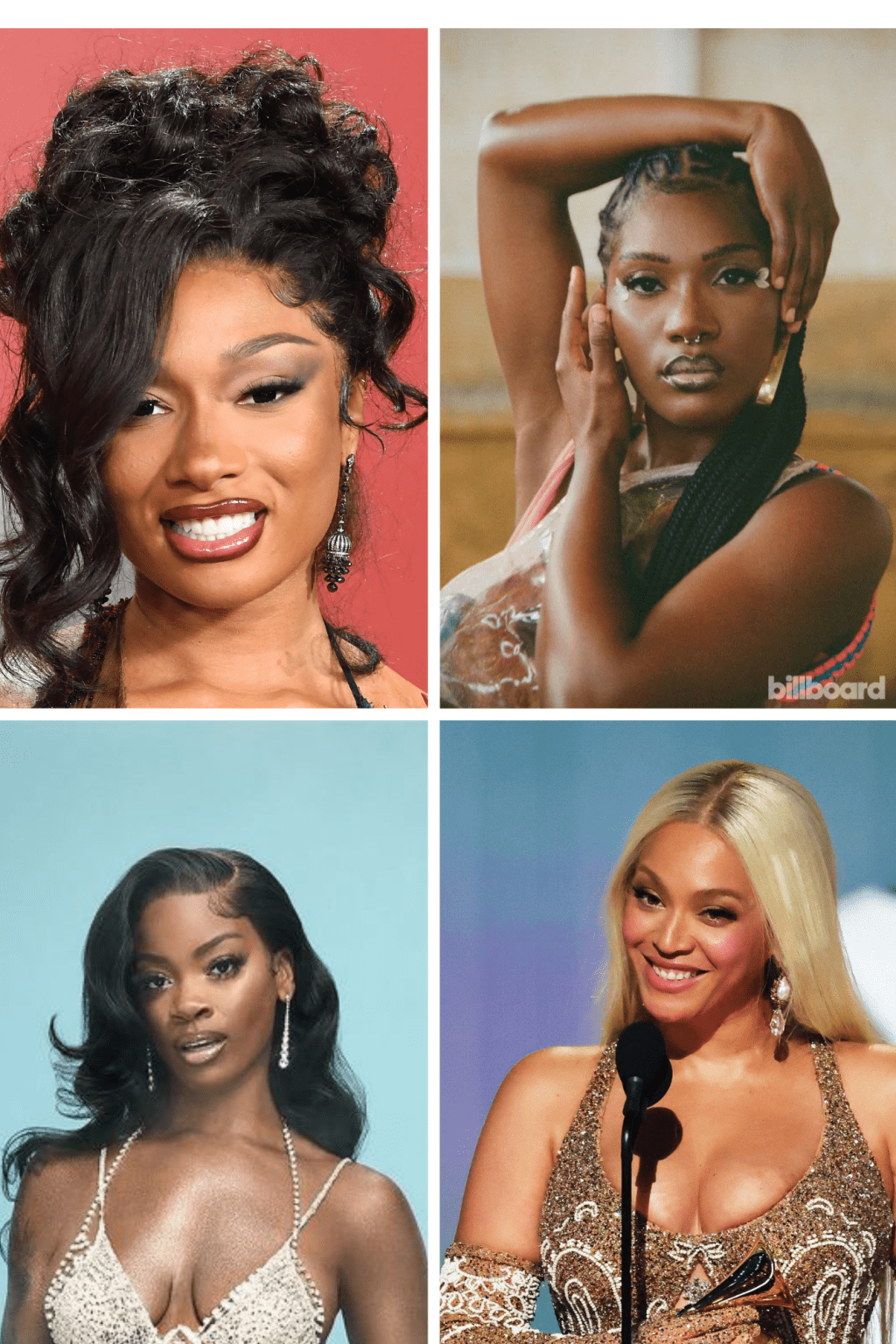
Additionally, the rise of ”90s fine” has reinforced the eternal competition women are forced to participate in, even while living through completely different decades. Because of a heightened sense of urgency to condemn the “overly masculine” black woman of today, we are constantly compared to the fantastical image of the once feminine black woman. Social media often compares the aesthetics of modern black women today to the women of the 90’s, with many commenters claiming to prefer the latter. However, watching black media that aired through the decade illustrates the black community’s romanticization of a viewpoint that never was. Many state plainly that today’s black women don’t possess the natural beauty of our predecessors. Meanwhile, there are multiple instances where the same women praised today were the butt of the joke in the 90s. An instance that stands out in my mind is how Freddie, a character in the black sitcom A Different World, is ridiculed for sporting her natural hair and low maintenance appearance. This ongoing joke reflects the sentiments of that time. Many people (cishet men in particular) claim to miss the days when women adhered to a more natural aesthetic.
This is not a call to stop uplifting Black women from past decades. I would be lying if I said I don’t marvel and admire the great beauties of the 90’s. However, I loathe when others try to rewrite history. Wishing to resurrect a certain type of look when there’s numerous amounts of media that present opposite sentiments is disingenuous. We must also question the vehement disdain for the trends associated with black women currently. I long for a multi-generational, rigorous conversation unpacking the widespread contempt for black women’s aesthetics. Maybe then we can get to the bottom of the true issue. Instead, we hear the myth of the universally adored black woman of the past, who never existed.


 21st Century Black Woman
Leave a comment